Kitchen Design Trends 2026: What’s Defining Modern Luxury Kitchens
The kitchen continues to evolve into the true heart of the home in 2026. This year’s design direction focuses on warmth, texture, functionality, and timeless craftsmanship. Rather than bold, fast-changing trends, 2026 is all about longevity, natural materials, and personalised design.
Below are the key kitchen design trends shaping modern homes in 2026.
1. Warm, earthy colour palettes replace cool minimalism
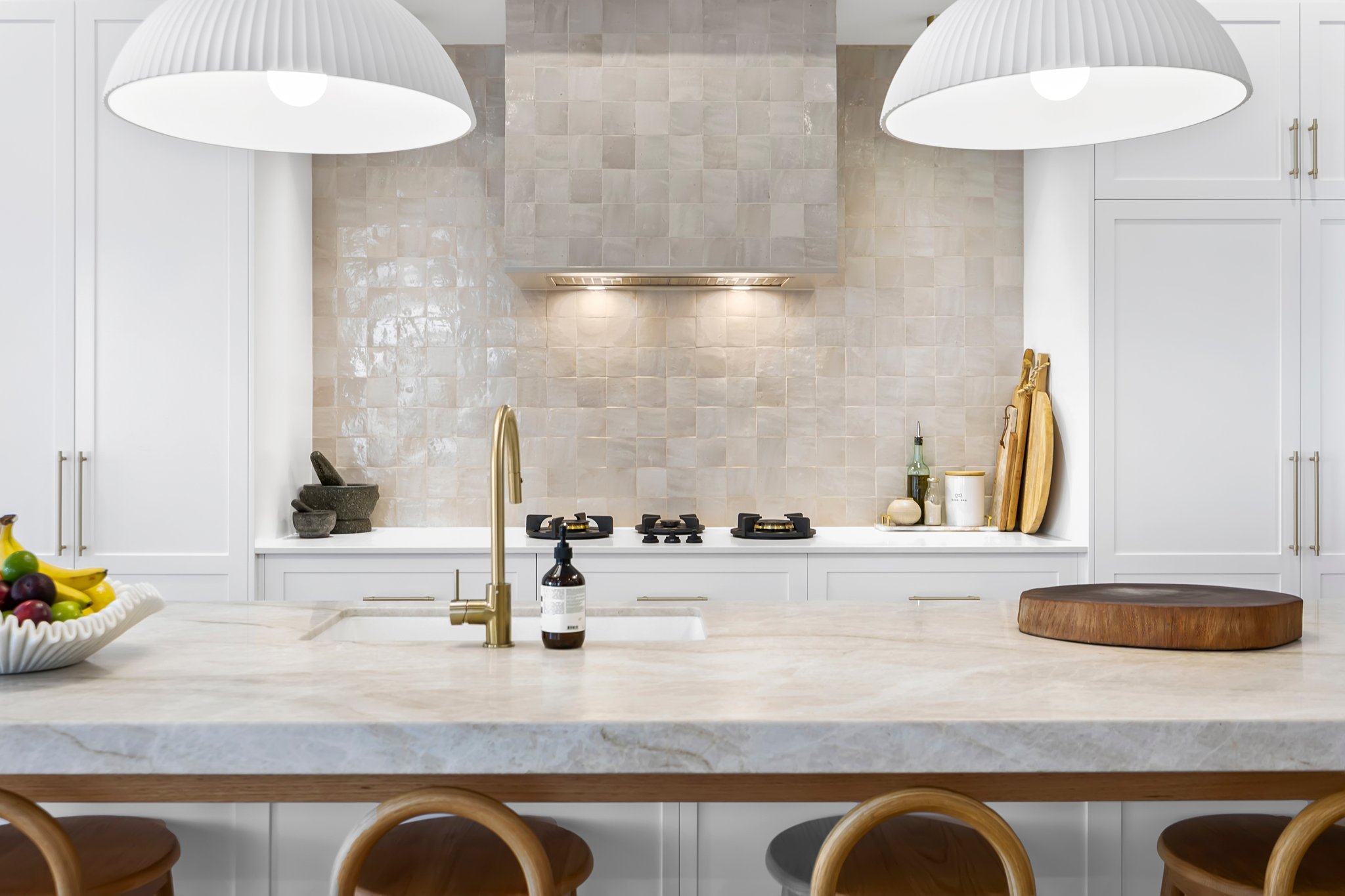
The era of stark white and cold grey kitchens is fading. In 2026, homeowners are embracing warmer, more natural tones that feel inviting and grounded.
Popular colours include:
- Cream, warm white, and soft beige
- Mushroom, taupe, and sand tones
- Olive green, clay, and muted blue accents
- Deep earthy feature colours for islands or cabinetry
This shift creates a softer, more lived-in aesthetic that feels timeless and comfortable.
👉 Read more: https://www.idealhome.co.uk/all-rooms/kitchen/kitchen-trends-2026
2. Natural materials and tactile finishes
Texture is one of the strongest design drivers for 2026. Smooth, flat surfaces are being replaced with layered, tactile finishes that bring depth and warmth.
Key materials include:
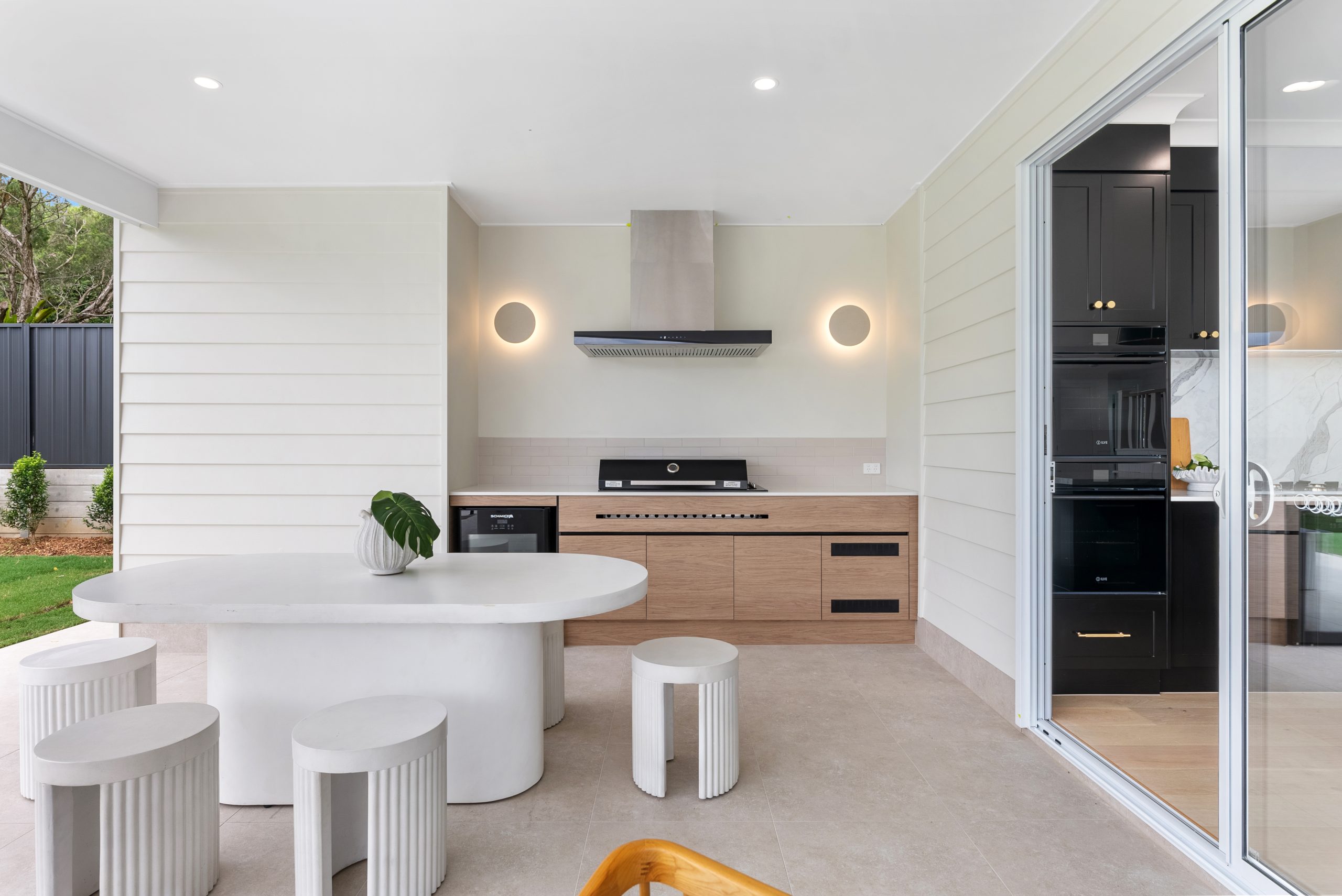
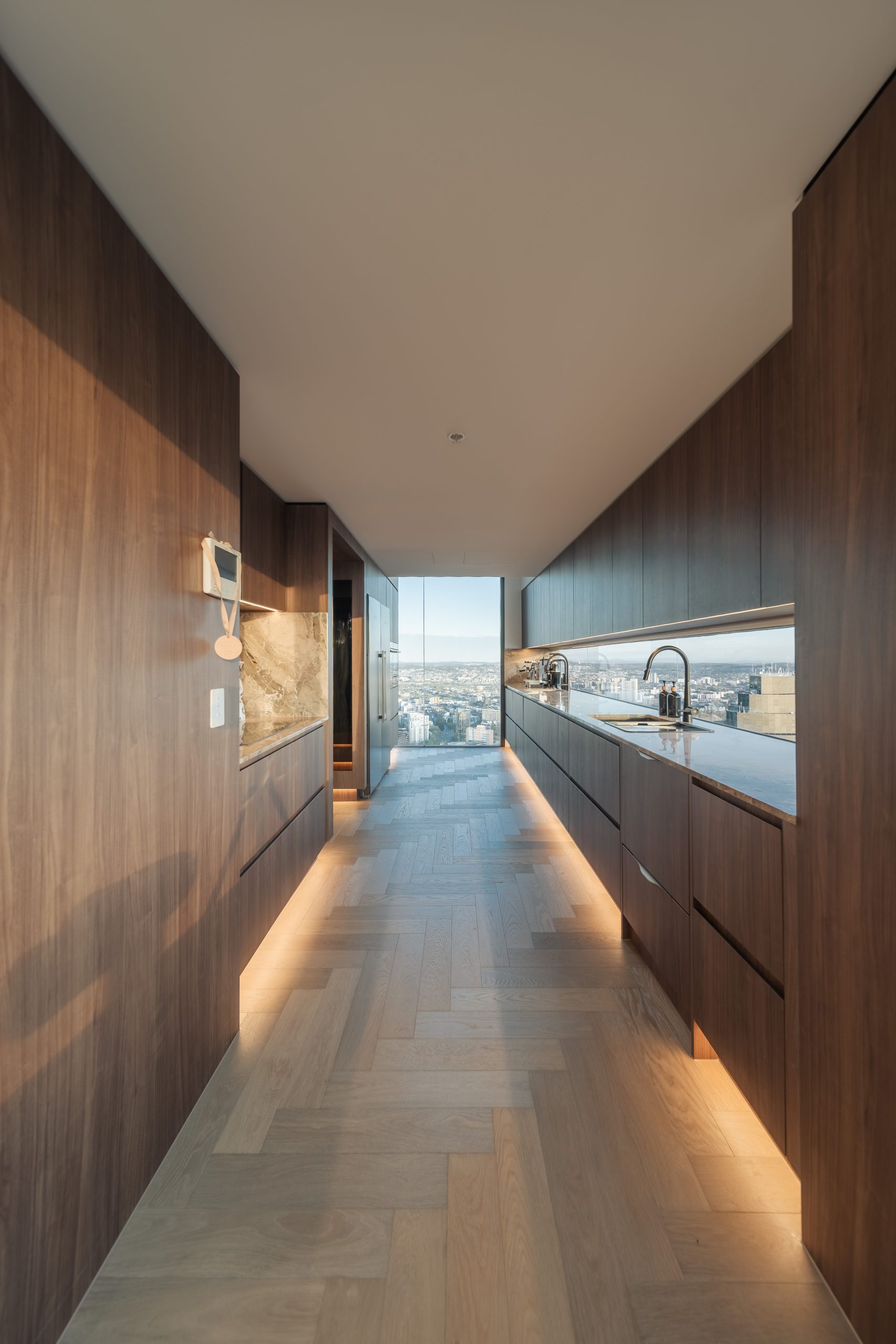
- Natural timber with visible grain
- Stone and engineered stone benchtops
- Fluted wood detailing
- Brushed metals and matte finishes
- Mixed material combinations
These elements create a kitchen that feels grounded, organic, and sensory.
👉 Read more: https://www.themaker.com.au/blogs/kitchen-trends-2026/
3. Layered, mixed-material design
Uniform kitchens are being replaced with more curated, bespoke compositions. Designers are combining materials and tones to create visual interest and depth.
Examples include:
- Timber cabinetry paired with painted finishes
- Stone splashbacks contrasted with soft cabinetry
- Dual-tone kitchen islands
- Matte finishes combined with subtle metallic accents
The result is a more architectural, custom-built feel.
4. Soft curves and organic shapes
Straight lines are being softened in favour of curves and flowing forms. This trend brings a more relaxed and natural movement into kitchen spaces.
Expect to see:
- Curved island edges
- Rounded cabinetry corners
- Arched doorways or niches
- Sculptural island designs
This approach helps balance functionality with a more calming aesthetic.
5. Hidden functionality and seamless storage
Functionality in 2026 is all about being invisible. Kitchens are becoming more streamlined, with clever storage solutions and integrated appliances.
Key features include:
- Appliance garages to hide benchtop clutter
- Fully integrated fridges and dishwashers
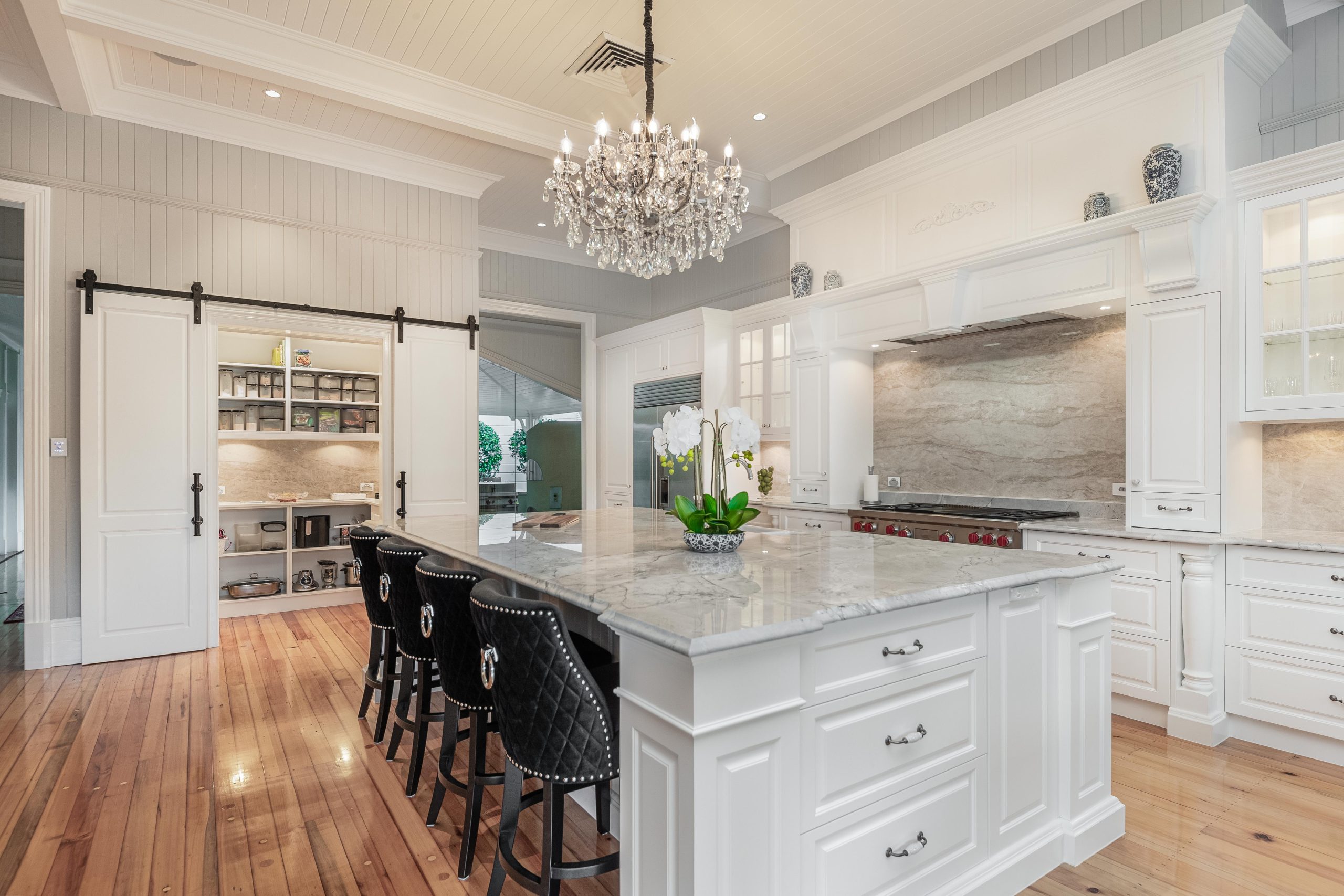
- Walk-in or concealed pantries
- Handleless cabinetry systems
- Zoned layouts for cooking, prep, and entertaining
The goal is a clean, minimal look without sacrificing practicality.
👉 Read more: https://www.youtube.com/watch?v=642_L9xANmA&utm
6. Quiet luxury and bespoke detailing
Luxury in 2026 is subtle rather than loud. The focus is on craftsmanship, detail, and tailored design rather than statement finishes.
This includes:
- Custom joinery details
- High-quality, durable materials
- Minimal but refined aesthetics
- Thoughtful, personalised layouts
This approach creates kitchens that feel timeless and highly considered.
👉 Read more: https://www.paragondesigns.co/news/kitchen-design-trends-2026?utm
7. Statement kitchen islands
The kitchen island continues to evolve as the hero piece of the space. In 2026, islands are becoming more sculptural and multifunctional.
Design directions include:
- Waterfall stone ends
- Multi-level surfaces for prep and dining
- Curved or asymmetrical forms
- Mixed-material bases and tops
8. Integrated lighting as a design feature
Lighting is no longer just functional—it is an essential design element.
Trends include:
- LED strip lighting within cabinetry
- Under-bench and under-shelf lighting
- Sculptural pendant lighting over islands
- Layered lighting schemes for mood control
Lighting is now used to enhance architecture and highlight textures.
9. Sustainable and long-lasting design choices
Sustainability continues to influence kitchen design decisions. Instead of fast trends, homeowners are prioritising durability and longevity.
This includes:
- High-quality, long-lasting materials
- Energy-efficient appliances
- Recycled or low-impact surfaces
- Timeless design choices over trend-driven aesthetics
10. Kitchens designed around lifestyle zones
Modern kitchens are increasingly designed around how people actually live and use the space.
Common zones include:
- Dedicated prep areas
- Coffee and beverage stations
- Hidden work or study areas
- Entertaining and serving zones
This zoning approach improves flow and functionality in everyday living.
Final thoughts
The 2026 kitchen is warm, tactile, and deeply considered. It blends natural materials, soft forms, and intelligent functionality to create spaces that feel both beautiful and practical. Above all, it reflects a shift toward personalised, long-term design rather than short-lived trends.